
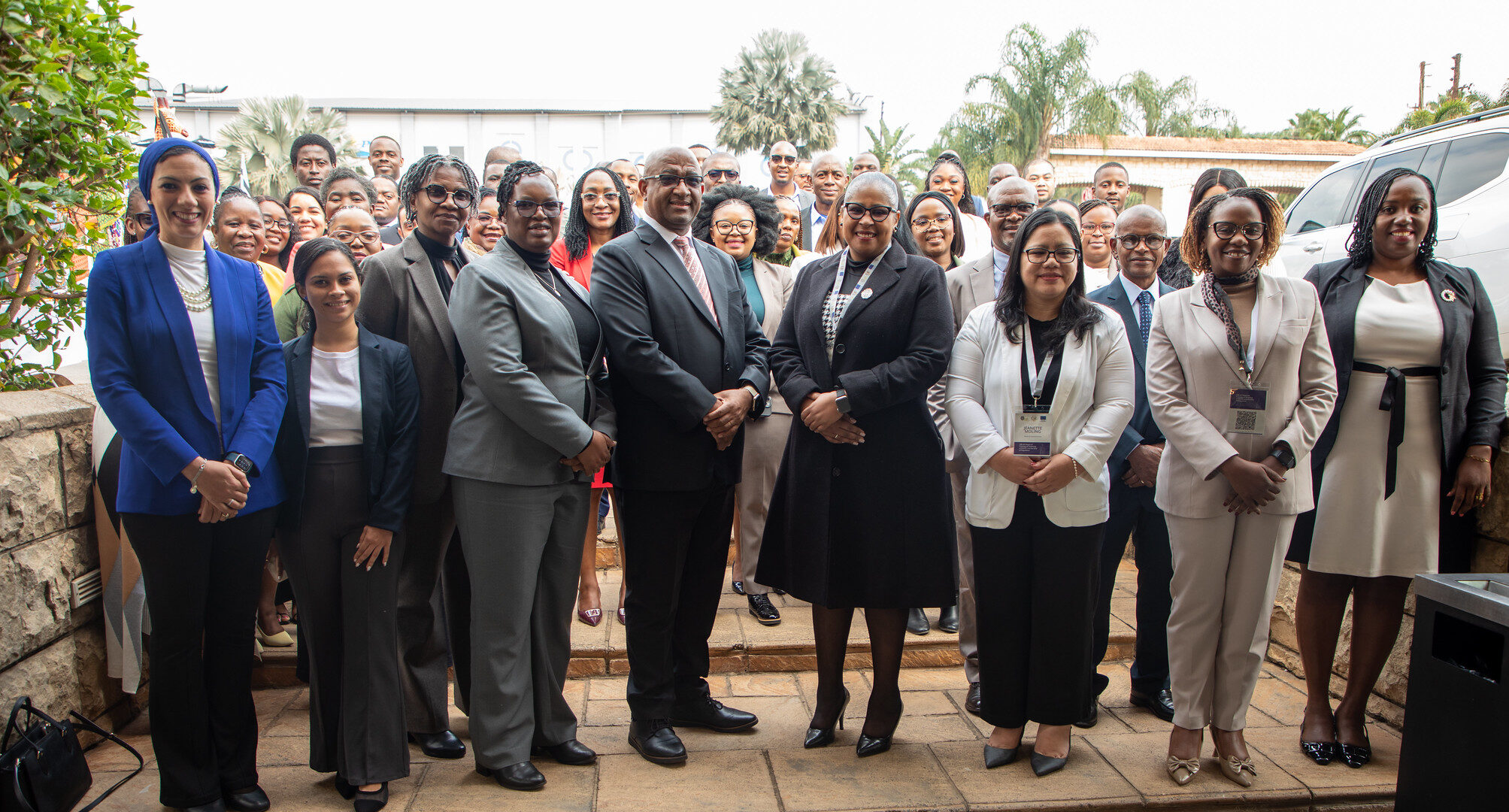
From 22 to 25 July, AFI and the Central Bank of Eswatini co-organized regional training on the role of regulators in helping small businesses to adopt green and sustainable practices.
“Climate change poses significant threats to small businesses, especially in developing countries, affecting their competitiveness and sustainability,” said the Central Bank of Eswatini Governor, Dr. Phil Mnisi. “By implementing targeted interventions and promoting collaboration, we can facilitate the green transition of MSMEs, empower them to navigate climate mitigation and adaptation, and contribute to climate resilience and environmental sustainability on a global scale.”
“Greening of our MSMEs is not just an environmental imperative; it is a socio-economic necessity,” said the Head of AFI’s Africa Regional Office, Nomcebo Hadebe. “By enabling MSMEs to adapt, innovate, and thrive in a climate-conscious economy, we uplift entire communities and drive inclusive growth.”
The program was designed to equip AFI members with practical measures for developing and implementing effective Inclusive Green Finance policies and strategies that address the green transition needs of MSMEs.
Speakers came from a wide range of AFI members in the region, including the Bank of Tanzania, Central Bank of Egypt, Reserve Bank of Zimbabwe, Bank of Sierra Leone, Central Bank of Kenya, and Bank of Zambia. There was insight from economist and climate finance expert, Reuben Wambui, while local perspectives came from the Central Bank of Eswatini, the Centre for Financial Inclusion within the Ministry of Finance, and other stakeholders.
The agenda incorporated learnings from recent AFI publications, including the Roadmap for Inclusive Green Finance Implementation V.2 and Green Transition Measures for MSMEs.