
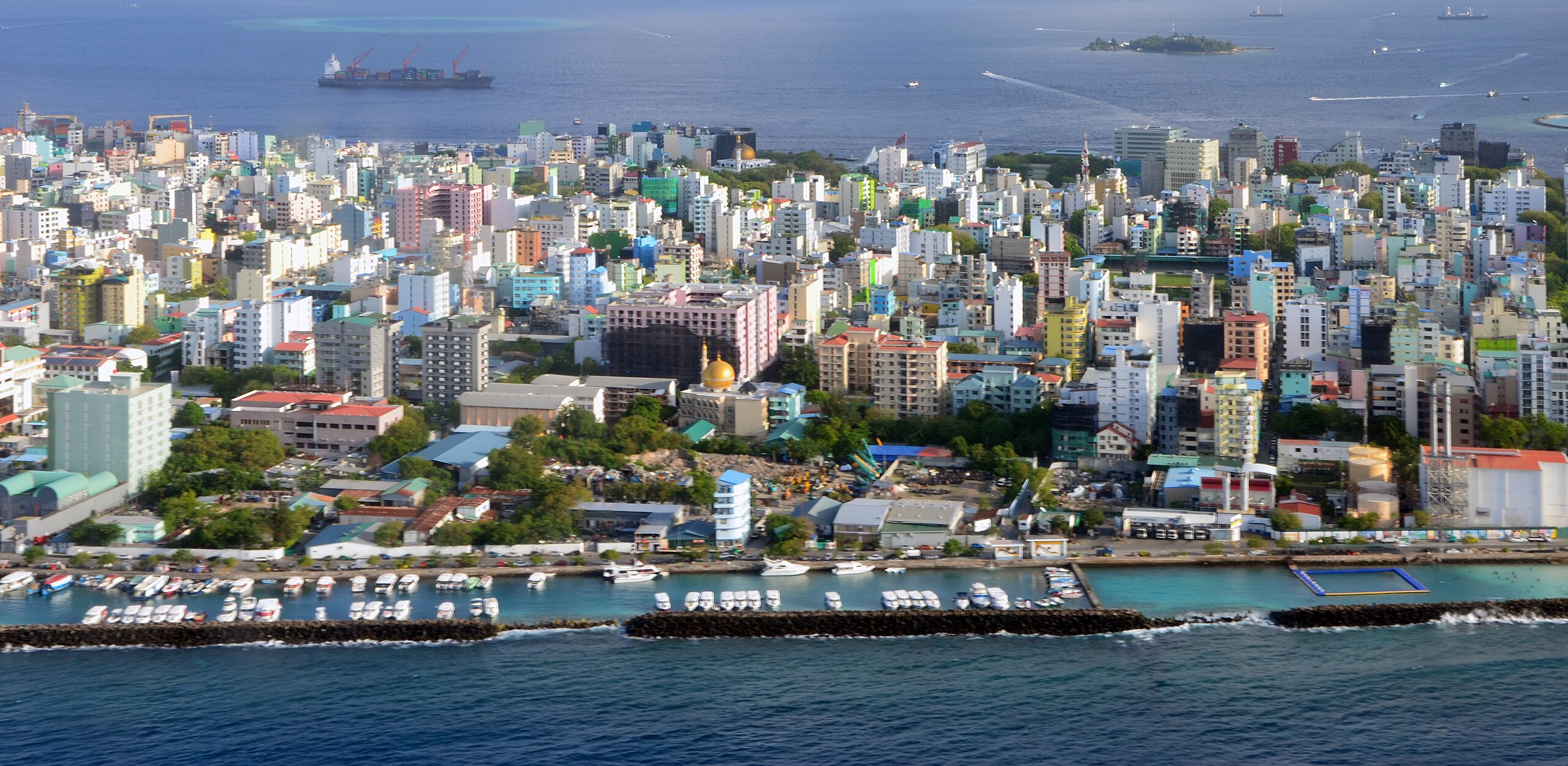
By 2050, up to 80% of the Maldives could become uninhabitable due to rising sea levels, according to scientists. The island nation is among the world’s most climate-vulnerable, facing severe threats such as coastal erosion, flooding, and water scarcity.
In response, the Maldives Monetary Authority (MMA) has made inclusive green finance a top priority, embedding it into its core mandate.
One of the key barriers to greening the Maldivian economy has been the sustainable finance gap. To attract both international investment and domestic financial sector participation, the MMA is developing the country’s first Green Taxonomy.
“A green taxonomy will act like a translator between different stakeholders,” explains MMA Deputy Governor, Asna Hamdi. “It helps us all speak the same language when it comes to green finance — allowing us to categorize investments in a consistent, transparent, and proportionate way.”
Developed with AFI’s support, the taxonomy will form part of the Maldives’ National Financial Inclusion Strategy (NFIS). Once finalized, it will be piloted with selected local banks to guide lending toward environmentally sustainable projects.
“Before launching a taxonomy, it’s crucial that we understand the country’s realities, educate the financial sector on the benefits of green investment, and ensure all stakeholders are involved,” adds Ms. Hamdi.
In parallel, MMA is developing a Sustainable Finance Roadmap, with the goal of strengthening economic resilience and fostering sustainable, inclusive growth.