
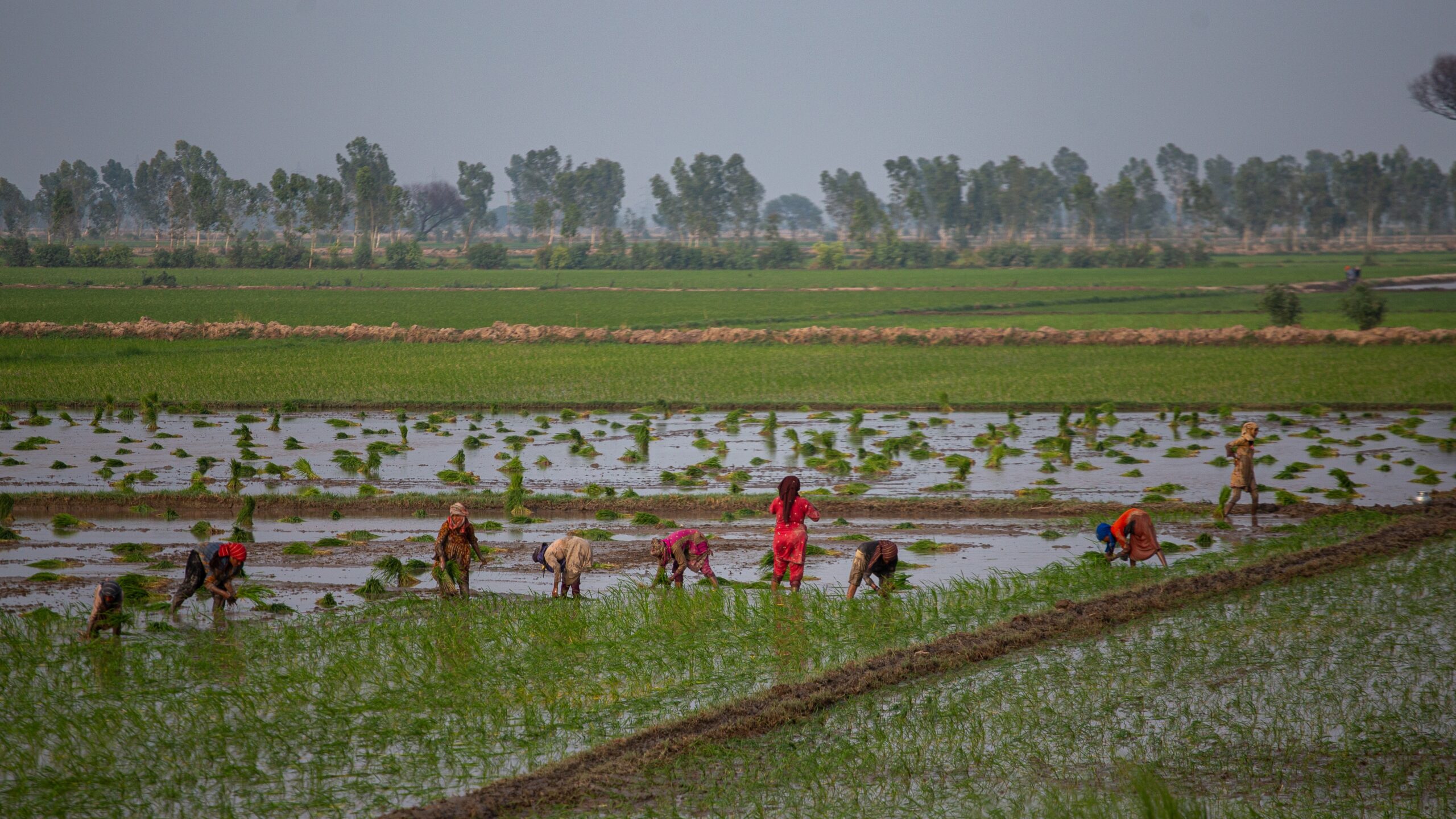
On 24 September, the State Bank of Pakistan (SBP) and the Reserve Bank of New Zealand (RBNZ) participated in an AFI-hosted Inclusive Green Finance (IGF) peer learning event on climate-smart agriculture (CSA) finance.
Pakistan is one of the most climate-vulnerable nations in the world, and agriculture is the backbone of its economy. SBP sought to learn from RBNZ – one of a small group of central banks currently spearheading CSA financial regulation – how it can protect its smallholder farmers from climate risks and support banks eager to finance climate-friendly farming.
During the exchange, SBP gained insight into how RBNZ:
- adapts regulatory frameworks to support CSA finance
- develops guidelines for financial institutions to integrate CSA practices
- finances CSA products and services tailored to smallholder farmers
- builds institutional capacity in climate finance
- collects and monitors climate risk data
- incentivizes banks to adopt CSA financing
“The event helped us refine our approach to CSA finance, creating a more resilient, inclusive financial system that supports farmers on the frontline of climate change,” said Nadeem Khanzada, Senior Joint Director at State Bank of Pakistan. “It has also given us insight into how different partners can contribute to mitigating climate-induced risks and losses.”
A large delegation of senior executives from the agricultural finance divisions of various banks also participated in the peer exchange.
State Bank of Pakistan is currently reviewing its strategy on CSA financing and regulations through AFI’s in-country implementation program (ICI), with the aim of developing a CSA risk profiling toolkit to complement its existing Green Banking Guidelines.