
Socorro Vargas, General Director on Access to Finance, CNBV; Luis Trevino, Senior Policy Manager, Alliance for Financial Inclusion; María José Roa, Independent Consultant
We always knew financial exclusion was high among youth in rural Mexico. But it wasn’t until we heard the story of Eduardo, a 23-year-old engineering student, that the true complexity of inclusion in rural areas crystallized. Eduardo is driven—he runs his own public transportation business to pay his expenses—but he feels immense pressure as a potential breadwinner to contribute to his family’s finances. He is digitally savvy, using apps for quick purchases, but he won’t step foot in a bank branch, finding it complicated and untrustworthy. He knows he should be saving, but the daily hustle, amplified by the pressure of his financial role, creates a constant “present bias”—the urge to spend today rather than save for a future that feels uncertain.
Then we heard about Valeria, a 22-year-old student whose challenges were rooted in structural inequality. Valeria takes care of her younger relatives, fulfilling a traditional ‘caretaker’ role. Socially imposed limits—like being told her study aspirations were too high—restricted her job options. Her limited mobility, a common constraint for women in the region, meant she had to pay for expensive private transport to school, directly reducing her disposable income and ability to save. Less than half of students like her held a formal financial product, significantly below the national average for youth. We realized that for Valeria, the main barrier was not a lack of self-control, but deep-seated social norms creating tangible financial friction.
These stories—one of behavioral barriers, the other of structural constraints—set the scene for our mission to conduct a major research project into how behavioral science affects financial inclusion.
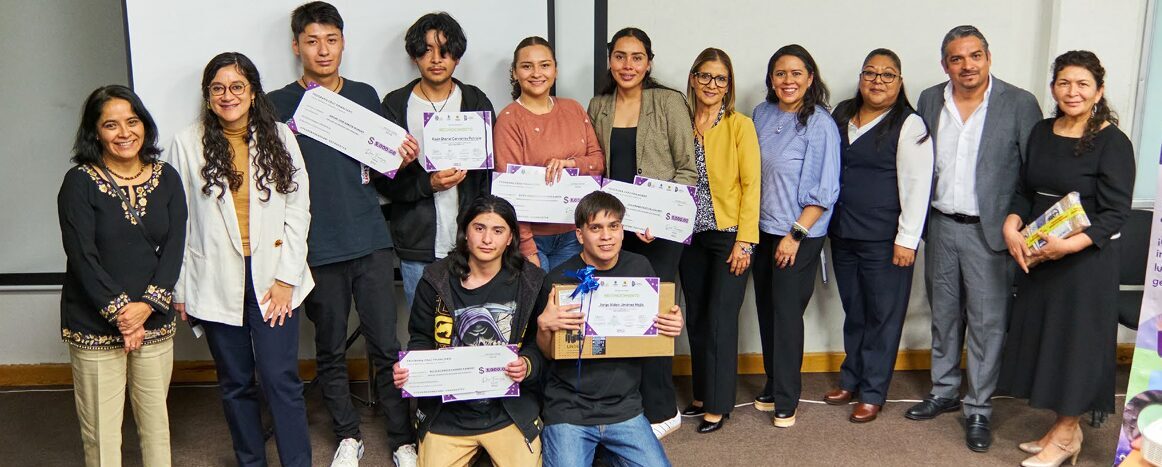
AFI provided crucial financing and overall guidance for this initiative, which was implemented by a dedicated consulting team. We collaborated closely with Mexico’s National Banking and Securities Commission (CNBV) and financial system partners—specifically, the Confederation of Savings and Loan Cooperatives (CONCAMEX), the Federación Alianza and its affiliate Caja Popular Apaseo el Alto—as well as the Instituto Tecnológico de Roque, the higher education technical institute whose students were the focus of our study.
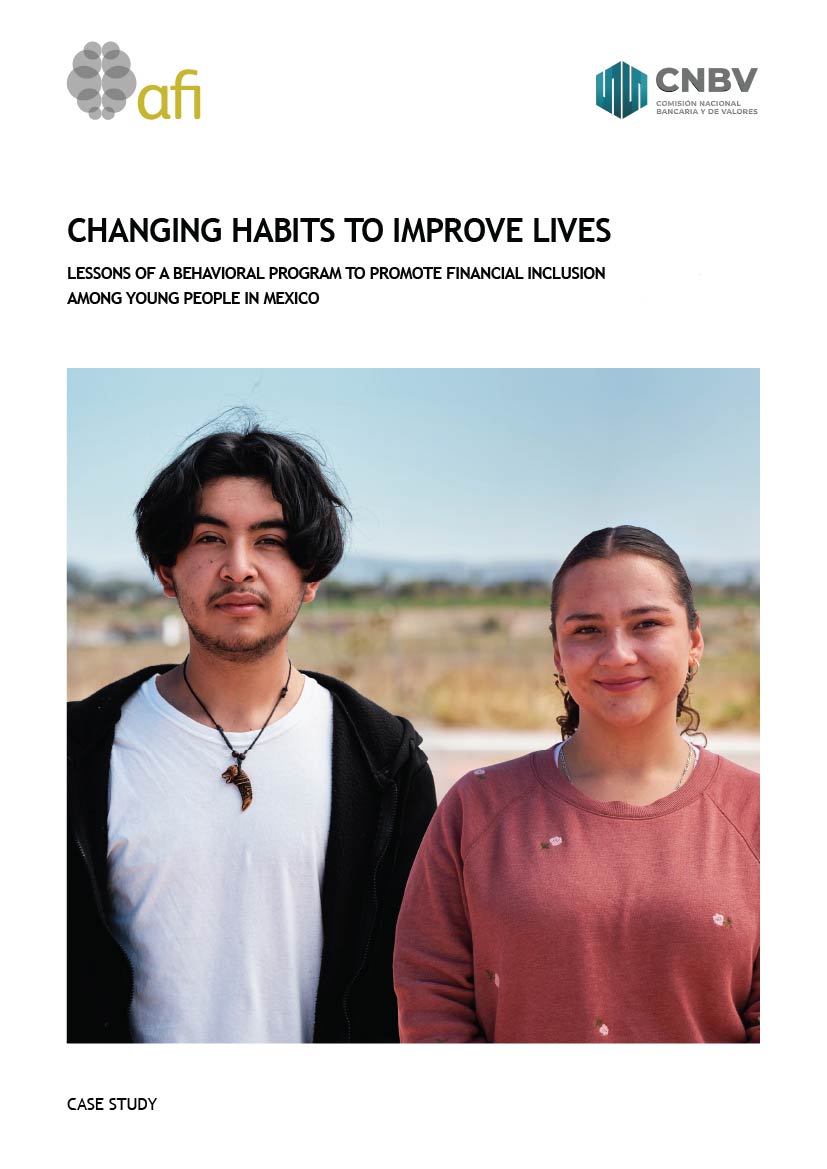
To tackle this potent mix of biases and gender norms, we recognized that conventional financial literacy was not enough, and together, we launched a four-month holistic program built on behavioral economics and cutting-edge neuroscience: CRAC Financiero. The resulting Case Study, Changing Habits to Improve Lives, reveals how we taught students to ‘nudge from within’.
Through the project, the invisible weight of gender roles became apparent. Young men, often feeling the pressure to be the primary ‘breadwinners,’ faced constant financial demands from family members, which blocked their ability to save. Young women, constrained by traditional ‘caretaker’ roles, found their mobility restricted, driving up essential transport costs and reducing access to higher-paying jobs. These norms translate directly into tangible financial friction, leaving women with significantly less access to formal credit products.
Our approach went beyond standard budgeting workshops. We introduced practical heuristics (simple rules of thumb) via WhatsApp messages to counter impulse spending. Crucially, we incorporated mindfulness practices in every session, helping students develop greater awareness of their breath, body, and emotions related to money. This gave them the vital cognitive space to pause before making reactive financial decisions, effectively countering the present bias.
Over time, we saw behavioral changes start to solidify. The systematic tracking of income and expenses increased by 20 percent. Trust in financial cooperatives and banks grew by 16 percent. Perhaps most encouragingly, we saw an 11 percent rise in formal bank account ownership, suggesting that increased self-awareness and trust was translating into real-world engagement.
Participant feedback was overwhelmingly positive. Women students particularly appreciated the flexibility and emotional utility of the mindfulness and messaging tools. This confirms a core lesson: financial inclusion policies must adopt a gender-sensitive design that accommodates structural limitations and preferences.
Ultimately, the main lesson that emerges for central banks and financial regulators is that behavioral barriers are real, and overcoming them requires integrated, person-centric solutions that address social context and psychological biases. When we design interventions that recognize the unique pressures and biases facing youth, we can start changing habits and truly changing lives.
What’s Next?
The full case study outlines high-level recommendations for mainstreaming gender perspectives, leveraging neuroscience, and scaling integrated programs. We encourage AFI members to move decisively to adopt these methods in order to build smart policies that foster lasting financial health.
Read the full Case Study: Changing Habits to Improve Lives.