

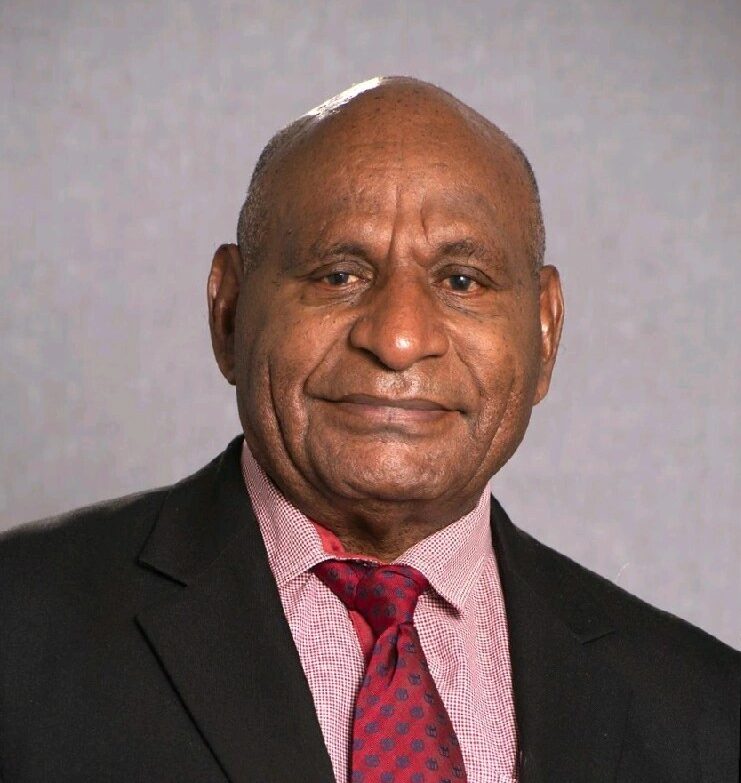
George Awap, Assistant Governor, Bank of Papua New Guinea
Young people are experts at spending, not saving – they know how to swipe a bankcard, but not how to stay out of debt. By getting financial literacy into school curricula, we can minimise this.
In Papua New Guinea, a large percentage of our population remains unbanked and financially illiterate. Ever since joining AFI, financial education and awareness has been a top priority for Bank of Papua New Guinea. To begin with, we mobilized financial institutions run financial education roadshows, aimed at on-boarding people into the formal banking sector. While successful, they were not designed with younger generations in mind. So we reached out to the Department of Education with an ambitious project – could we embed financial education into school curricula, at all ages?
Ultimately, we could. But it was a long road to get there…
It took a couple of years of discussions with the Department of Education just to formalize the project, which concluded in a Memorandum of Understanding. We also needed to bring the Department of Treasury into the project – they are the ones who provide the finance for it, and we couldn’t just expect them to automatically include it in the national government budget.
We developed financial education materials (Syllabuses, Teachers resources books, student activity books and teachers guides), from pre-school all the way to Year 12, covering important aspects of financial management, saving and budgeting. We introduced simple concepts in kindergarten, such as using a piggybank, helping kids to think about financial discipline. The lessons grew in complexity as a child got older and progressed through the grades. By the time they completed Year 12, they would be empowered (with advance financial planning, budgeting & investment) to make smart financial decisions.
Getting the Department of Education to develop and vet education materials took years of negotiation. Once the materials were ready, we needed to test them, which required a lot of careful planning, and of course budget.
As of now, we have completed most of the development phase. The next step is to get the Department of Education to vet the final syllabus, after which it can go to a pilot phase involving 45-50 schools national wide. Assuming that goes well, we can proceed to a nationwide rollout.
Lessons for countries planning a similar initiative
- Collaboration is key. There are many dimensions and perspectives in play – some elements are under the Central Bank’s control, but most are not. It’s vital to ensure that all national partners are aligned with our mindset.
- Think ahead about budget. If the Department of Treasury/Finance cannot fund the initiative, there may be donors ready to step, in which case they will want to be involved in developing the project and rolling it out.
- Consider Curriculum Alignment, validations process and teachers’ capacity development.
- Be patient. It took us longer than we expected to get this far.
Financial illiteracy is a problem not just for Papua New Guinea – around the world, increasing numbers of young people are struggling with debt. Teaching children to be financially disciplined and make informed financial decisions is the smartest approach to tackling this vital issue. We are looking forward to seeing the benefits and positive impact on society, once a generation of schoolchildren have benefited from our project.