
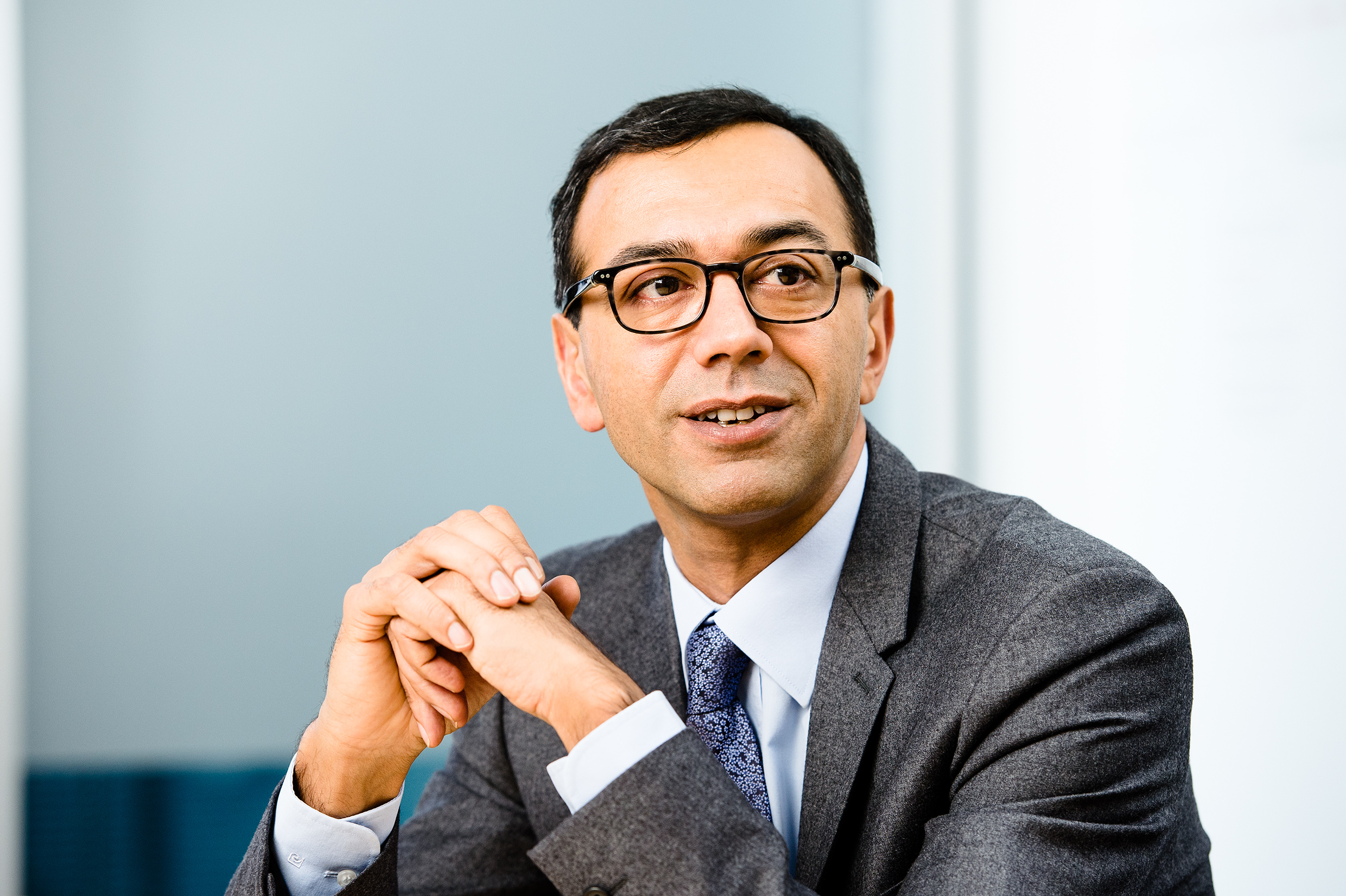
Vivek Badrinath, Director General, GSMA
Mobile money has been on a remarkable journey since the first service was launched almost 25 years ago. What started as a tool to help people store, send and receive money securely is now so much more.
In many developing regions, where traditional banking infrastructure is limited or non-existent, mobile phones have become the primary gateway to financial services. In 2024, 40% of adults in Sub-Saharan Africa and 37% in Latin America and the Caribbean were using a mobile money service, up from 27% and 22% respectively in 2021.
But even in the age of constant digital connection, 1.3 billion people remain excluded from the formal financial system. The potential to bridge the financial divide and foster economic empowerment is immense, but it requires a concerted effort from both regulators and industry to realise this vision.
Transforming lives and livelihoods
Today, mobile money is a first step to savings, a launchpad for business opportunities and a financial safety net for vulnerable communities. A growing number of providers have now branched into adjacent services – 44% offer credit, 34% savings and 28% insurance. These services have a profound impact on the people who use them.
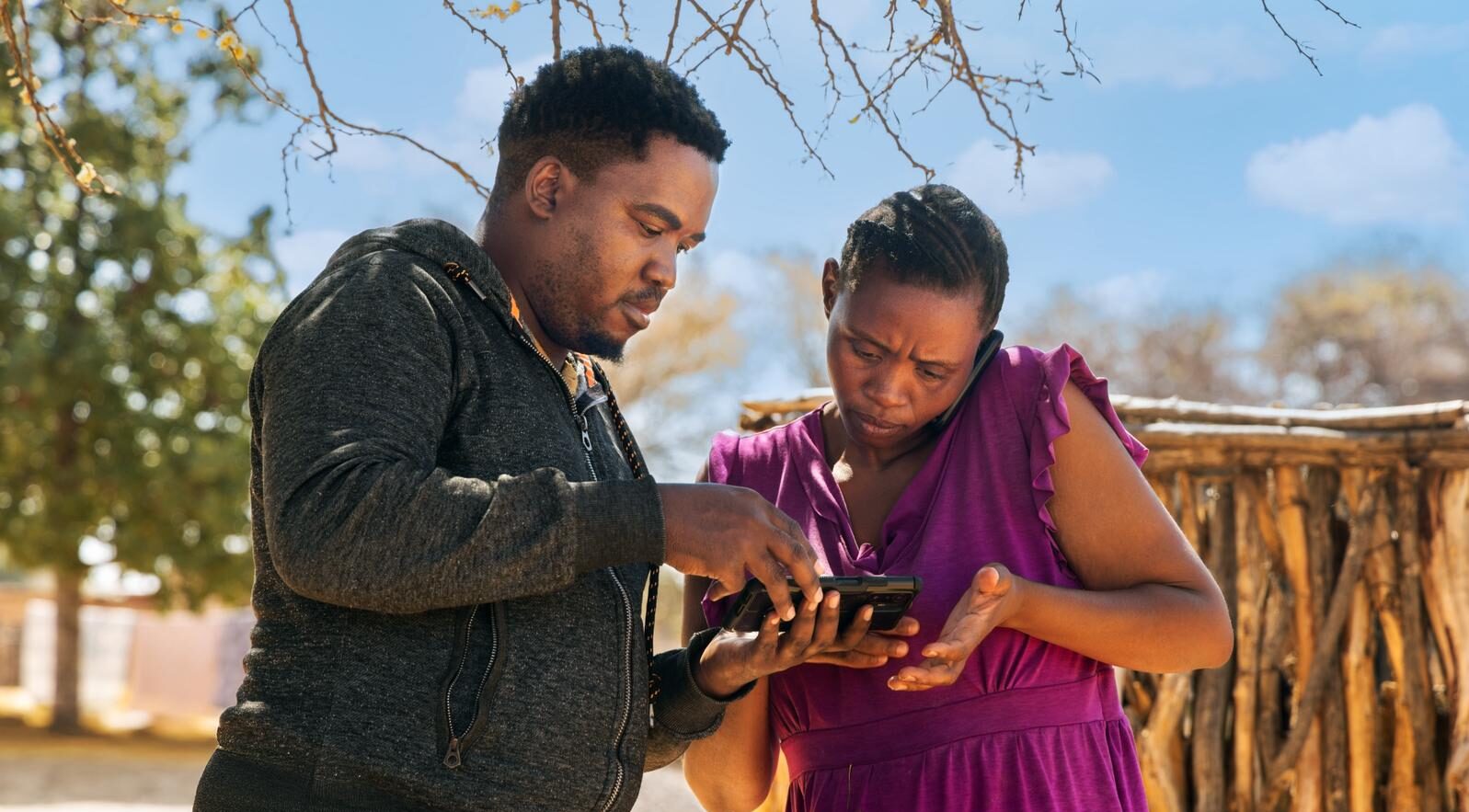
Take Everline, a shopkeeper in Kenya. Using mobile money, she is able to receive payments, and with M-Shwari, a savings and loan service, can manage cash flow fluctuations, including buying more stock when needed. These tools have helped grow her business and protect her financial stability.
For Priscilla, a farmer in Kenya, the impact is even more personal. When faced with an unexpected health emergency, her shift from cash to mobile money meant she could draw on a credit line through M-Pesa to cover hospital bills. Instead of postponing treatment because she feared the costs, she was able to access care immediately, a reminder that financial inclusion can quite literally be life-saving.
For those with access, there is no doubt of the transformational power of mobile money.
But the question remains – how do we ensure the same opportunities reach the 1.3 billion still locked out of the financial ecosystem?
The collective role of industry and regulators
To harness the full potential of mobile technology for financial inclusion, collaboration between regulators and industry is essential.
While regulators play a pivotal role in creating the enabling environment needed to foster innovation and ensure consumer protection, industry stakeholders bring the technological expertise and resources needed to develop and deploy solutions.
Clearly there is no one-size-fits-all approach, every market is different, but over the past decade, GSMA research and analysis has identified three key enablers to driving financial inclusion:
- Enabling regulation
Regulators need to strike a balance between promoting innovation and safeguarding the interests of consumers. This requires a deep understanding of the unique challenges and opportunities presented by mobile technology. While rarely simple, recent growth in East Asian markets shows progress is possible – in Vietnam, operators can offer mobile money without a banking license, leading to healthy competition and almost 10 million users after just three years. By working closely with industry, regulators can design policies that encourage competition and innovation, enhance interoperability, and strengthen financial health.
2. Digital literacy
Many individuals, particularly in rural and underserved areas, lack the necessary skills and knowledge to use mobile financial services effectively. Industry stakeholders and regulators play a significant role here in promoting digital literacy through targeted education and awareness campaigns. Encouragingly, 60% of providers have already launched initiatives to boost customer financial awareness, and the GSMA is supporting this effort through its Mobile Money Financial Literacy Programme in several African countries.
3. Trust
Ultimately adoption depends on trust. Consumers need to have confidence in the security and reliability of these services. Regulators can support this by establishing clear guidelines and standards for data protection, cybersecurity, and fraud prevention. Industry stakeholders, in turn, should adhere to these standards and invest in robust security measures to protect consumer data.
Mobile money for the benefit of all
Over the past two decades we have witnessed the transformational power of access to mobile money services for billions of people.
Reaching the next 1 billion will not happen by chance. It will take the shared commitment of the mobile industry, regulators and the broader ecosystem. It will not be an easy journey, but it is a vital one.
Working together we can harness the full potential of mobile technology to build a world in which financial services are not just a privilege for the few, but a reality for all.