
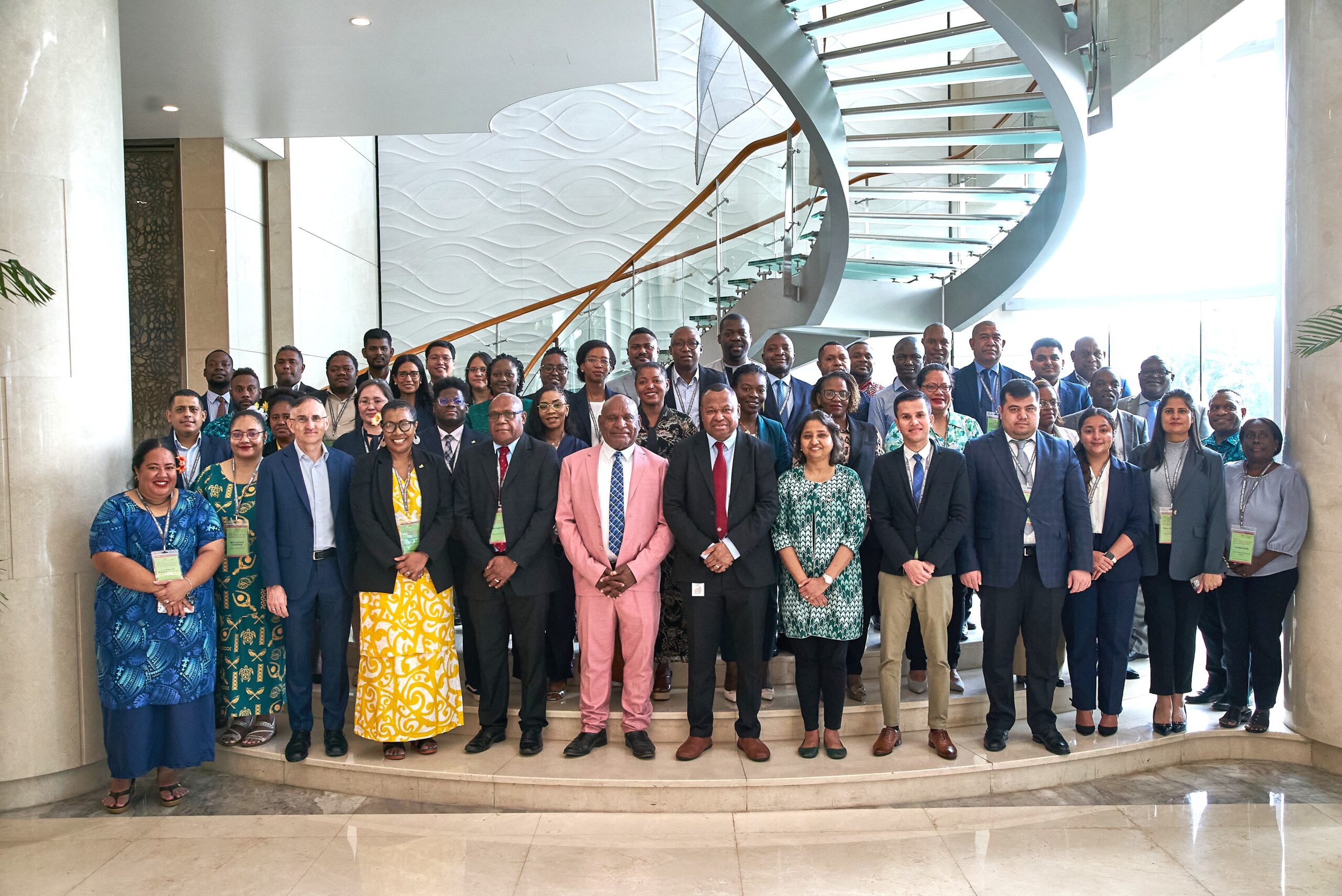
Hosted by the Bank of Papua New Guinea (BPNG) from 28-31 Oct, the BPNG-AFI Joint Learning Program on Inclusive Green Finance Policy Implementation brought together policymakers and experts from across the AFI network to explore how digital financial services and gender-inclusive finance can strengthen climate resilience through inclusive green finance policies.
“Climate change is not a distant risk — it is a lived reality for all of us in the Pacific,” said BPNG Deputy Governor, Jeffery Yabom. “Women and vulnerable groups are often the most affected, facing barriers to accessing finance when they need it most.”
The program focused on how regulators can design and implement effective IGF policies that empower vulnerable populations, particularly women and smallholder farmers. Participants drew on the experience of BPNG, recognized as a regional trailblazer in green finance policy, following its National Inclusive Green Finance Policy (2023) and the establishment of its Green Finance Centre.
Building on AFI’s key knowledge products — including the Roadmap for IGF Implementation (V2) and Leveraging DFS to Advance IGF Policies — the training highlighted how digital financial services can expand the reach of IGF solutions and ensure that women are fully included in the transition to a greener economy.
“Digital financial services are critical in dismantling traditional barriers faced by women and other vulnerable groups,” said Aban Haq, AFI’s Director of Strategy, Member Engagement and Evaluation. “Mobile money and digital payments enable rapid disbursement of disaster relief funds, while digital identity and remote onboarding help overcome geographic and legal barriers to accessing green credit — especially in rural areas.”
Expert contributions came from AFI member institutions, including Nepal Rastra Bank, National Bank of Rwanda, Bangladesh Bank, State Bank of Pakistan, and the Central Bank of Seychelles, as well as from local and international partners such as Agence Française de Développement (AFD), UNDP, UNCDF, IFC, Green Climate Fund, the Climate Change and Development Authority (CCDA), and various financial institutions in PNG.
The program highlighted the need for financial authorities to approach inclusion and sustainability through integrated policy lenses, linking digital financial services (DFS), gender-responsive design, and climate risk management.
“The relevant AFI working groups will continue to provide members will the necessary technical guidance within the evolving climate landscape,” explained AFI’s Policy Manager for Digital Financial Services, Adeyemi Omotoso. “This includes strengthening members’ understanding and assessment of climate related risk and implications; enhancing digital infrastructure resilience; advancing DFS solutions that support preparedness, response, and sustainable recovery; and supporting policy development that upholds consumer protection, market confidence, and financial inclusion.”
“The lessons from this program will extend beyond Papua New Guinea,” added DG Yabom. “It will benefit regulators across the Pacific and other developing economies facing similar challenges.”